
Cybersecurity: Meaning, Types, Careers & Future in 2026
Cybersecurity is no longer just an IT concern. It has become a core business priority that affects individuals, enterprises, governments, and critical infrastructure. As digital systems grow more complex, so do cyber threats.
From ransomware attacks to AI-driven threats, cybersecurity now sits at the intersection of technology, risk management, and trust. Understanding it is essential whether you’re a student, professional, or business leader.
What Is Cybersecurity?
Cybersecurity is the practice of protecting systems, networks, software, and data from digital attacks, unauthorized access, and cybercrime.
Cybersecurity focuses on ensuring confidentiality, integrity, and availability of information. This means keeping sensitive data private, preventing unauthorized changes, and ensuring systems remain accessible when needed.
As organizations move to cloud platforms, remote work, and AI-driven systems, cybersecurity has expanded far beyond firewalls and antivirus software. It now includes identity protection, threat intelligence, behavioral monitoring, and incident response.
Why Is Cybersecurity Important?
Cyber attacks can cause financial loss, reputational damage, legal consequences, and operational shutdowns. For individuals, it can mean identity theft or data loss. For businesses, it can halt operations entirely.
With the rise of digital payments, online services, and connected devices, cybersecurity acts as the foundation of digital trust. Without it, innovation slows and risk multiplies.
What Are the 5 Types of Cybersecurity?
| Type | Description |
|---|---|
| Network Security | Protects internal networks from intrusions |
| Application Security | Secures software throughout development |
| Cloud Security | Protects cloud environments and data |
| Information Security | Safeguards sensitive data |
| Operational Security | Manages access and response policies |
Cybersecurity and AI
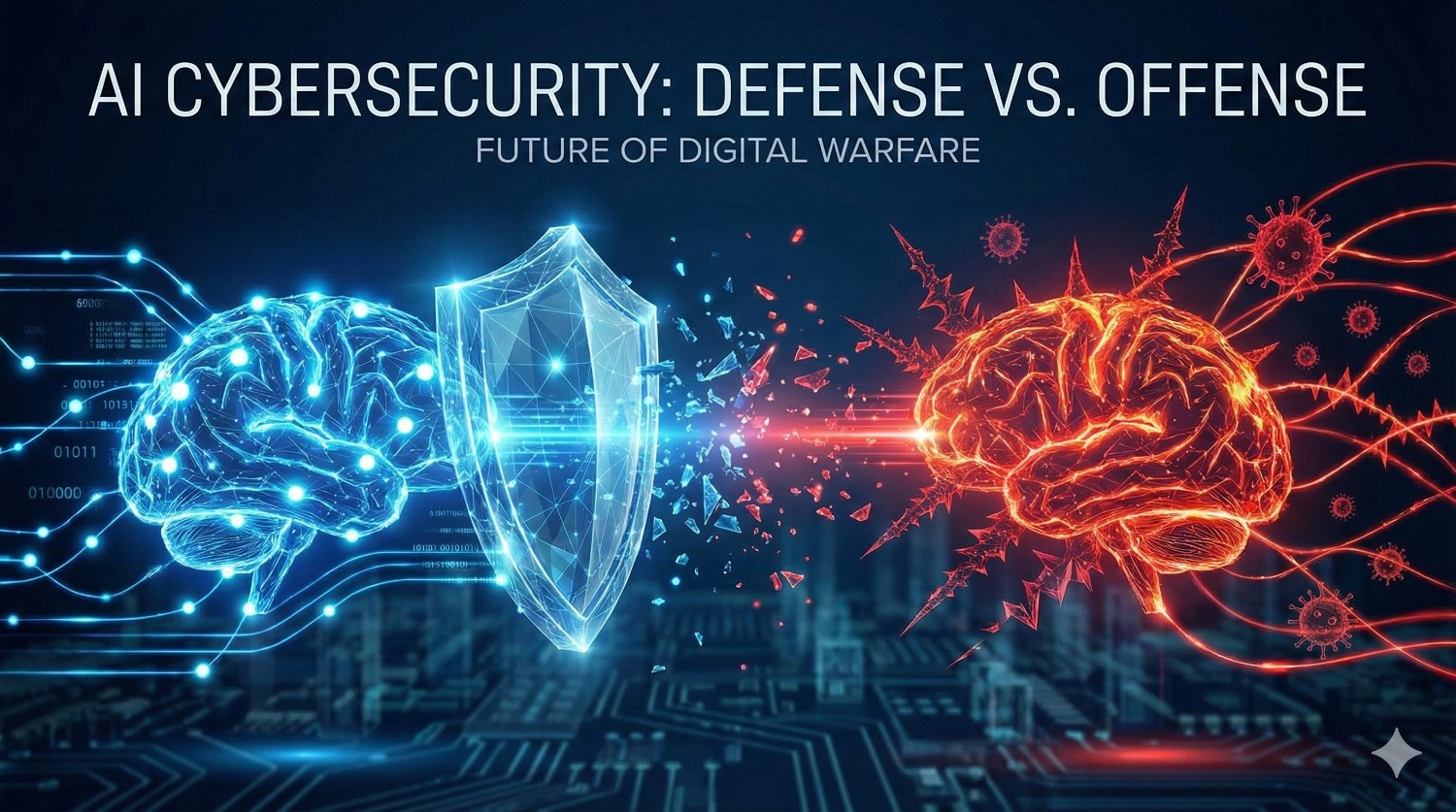
AI is transforming cybersecurity by enabling faster threat detection, predictive analysis, and automated responses. Security systems can now analyze massive volumes of data in real time.
However, attackers also use AI to automate phishing, bypass detection systems, and generate malware. This has created an arms race where defensive cybersecurity must evolve constantly.
Careers in Cybersecurity
Cybersecurity offers some of the most in-demand and high-paying careers in technology. Roles include cybersecurity analyst, security engineer, SOC analyst, and cloud security specialist.
In India and globally, demand continues to exceed supply. Professionals with skills in cloud security, AI security, and incident response command premium salaries.
Frequently Asked Questions
Is cybersecurity a high-salary career?Yes. Experienced professionals can earn six-figure salaries globally.
Is cybersecurity hard to learn?It requires continuous learning, but structured roadmaps make it accessible.
Will AI replace cybersecurity jobs?No. AI enhances cybersecurity but increases the need for skilled professionals.
© 2026. All rights reserved.