
Industrial IoT Sensors: Types, Applications, Benefits & Examples
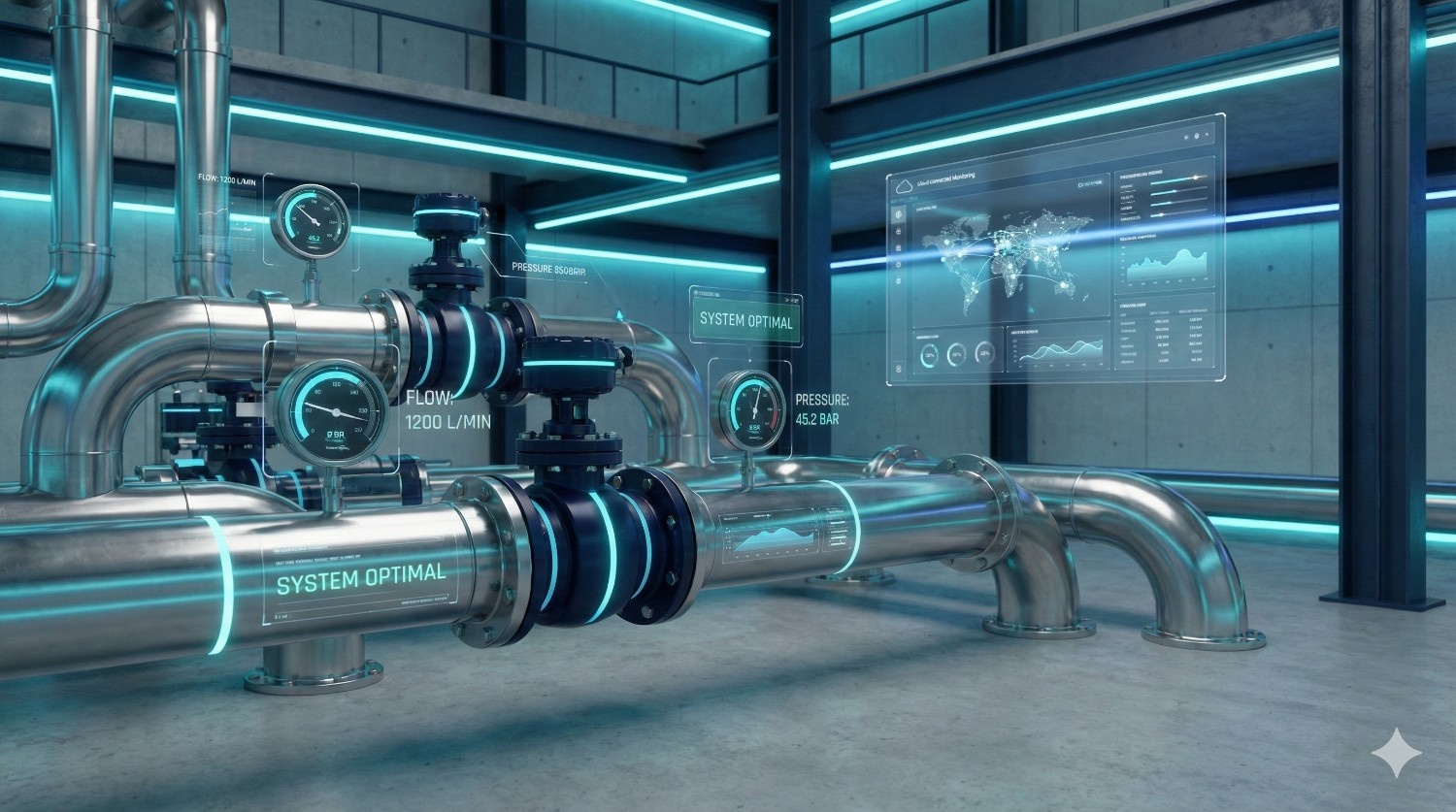
Industrial IoT sensors are the foundation of smart factories and connected industrial systems. They enable real-time data collection from machines, environments, and processes, allowing industries to monitor, analyze, and optimize operations at scale.
From predictive maintenance to quality control, Industrial IoT sensors play a critical role in modern manufacturing and automation.
What Are Industrial IoT Sensors?
Industrial IoT sensors are devices used to collect data from industrial environments such as factories, plants, and infrastructure and transmit it to connected systems for analysis and decision-making.
Unlike consumer IoT sensors, Industrial IoT sensors are designed to operate in harsh conditions including extreme temperatures, vibration, dust, and moisture. They provide reliable and continuous data essential for industrial automation.
These sensors act as the eyes and ears of Industrial IoT systems, enabling machines to communicate and respond intelligently.
Types of Industrial IoT Sensors
Industrial environments use a wide range of sensors depending on application and data requirements.
- Temperature sensors
- Pressure sensors
- Proximity sensors
- Vibration sensors
- Flow sensors
- Level sensors
- Gas and chemical sensors
- Optical and vision sensors
How Industrial IoT Sensors Work
Industrial IoT sensors capture physical parameters and convert them into digital signals. These signals are transmitted through wired or wireless networks to edge devices or cloud platforms for processing.
Advanced systems combine sensor data with analytics, artificial intelligence, and automation software to enable real-time monitoring and predictive insights.
Applications of Industrial IoT Sensors
Industrial IoT sensors are used across multiple industries to improve efficiency, safety, and reliability.
- Predictive maintenance of machinery
- Process monitoring and optimization
- Quality control and inspection
- Energy management
- Asset tracking and logistics
Benefits of Industrial IoT Sensors
| Benefit | Impact |
|---|---|
| Real-Time Visibility | Continuous monitoring of operations |
| Reduced Downtime | Early detection of equipment issues |
| Improved Safety | Monitoring hazardous conditions |
| Operational Efficiency | Optimized processes and resources |
| Scalability | Supports large industrial deployments |
Difference Between IoT and Industrial IoT
The main difference between IoT and Industrial IoT lies in scale, reliability, and application. Consumer IoT focuses on convenience, while Industrial IoT focuses on mission-critical operations.
Industrial IoT systems require higher reliability, stronger security, and long-term operational stability.
Challenges of Industrial IoT Sensors
Key challenges include sensor integration, data management, cybersecurity risks, and maintaining sensor accuracy over long operational lifecycles.
Addressing these challenges requires robust architecture, secure communication, and proper sensor calibration strategies.
Future of Industrial IoT Sensors
The future of Industrial IoT sensors lies in intelligent, self-diagnosing devices combined with edge computing and AI-driven analytics.
As smart factories evolve, sensors will become more autonomous, energy-efficient, and deeply integrated into industrial ecosystems.
Frequently Asked Questions
What are Industrial IoT sensors?They are sensors designed for industrial environments to collect and transmit operational data.
What sensors are used in industrial IoT?Common sensors include temperature, pressure, vibration, proximity, and flow sensors.
What is the difference between IoT and Industrial IoT?Industrial IoT focuses on large-scale, mission-critical industrial operations.
© 2026. All rights reserved.