
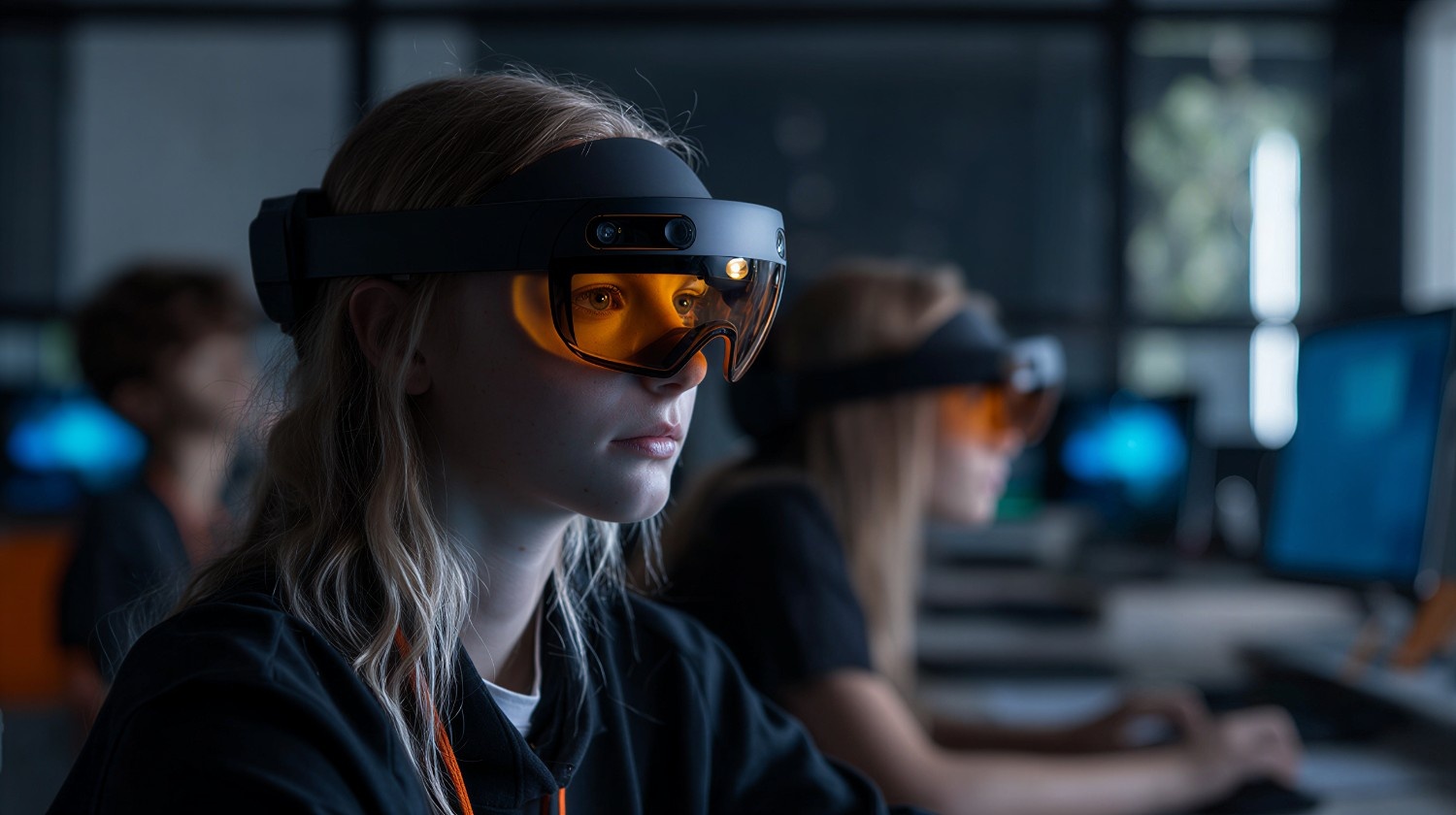
Smart Interactive Classrooms: Features, Benefits & AI-Powered Learning
Smart interactive classrooms are transforming traditional education by combining digital boards, AI systems, immersive hardware, and real-time analytics. These classrooms create engaging, adaptive learning environments that improve comprehension, participation, and learning outcomes.
From schools and coaching institutes to universities and training centers, smart classrooms are becoming a core part of modern education infrastructure.
What Is a Smart Interactive Classroom?
A smart interactive classroom is a digitally enabled learning space that integrates interactive boards, smart screens, AI tools, sensors, and connected devices to enhance teaching and student engagement.
Unlike traditional classrooms that rely on chalkboards or static presentations, smart classrooms use interactive smart boards, touch-enabled panels, and intelligent software to create two-way learning experiences.
These classrooms support multimedia content, real-time collaboration, and adaptive teaching methods aligned with modern curricula.
Key Components of Smart Interactive Classrooms
A smart classroom ecosystem consists of both hardware and software components working together.
- Interactive smart boards and whiteboards
- Interactive smart TVs and flat panels
- Multi-touch interactive panels
- AI-enabled teaching software
- IoT sensors and classroom controls
- High-speed connectivity and content platforms
Digital Boards vs Traditional Boards
Digital boards offer clear advantages over traditional boards by enabling multimedia teaching, interactive problem-solving, and instant access to digital resources.
While traditional boards limit engagement to one-way instruction, interactive boards encourage collaboration, visualization, and active learning.
Interactive Classroom Activities
Smart classrooms support interactive activities such as live quizzes, simulations, group problem-solving, virtual experiments, and multimedia storytelling.
These activities align with active learning principles and help improve critical thinking, creativity, and collaboration.
AI-Powered Education Solutions for Smart Classrooms
Modern smart classrooms are enhanced with AI-driven tools that personalize learning and provide measurable insights.
- VR-Based Stories for Creativity Enhancement: Immersive storytelling that boosts imagination and comprehension.
- Rank Predictors for IIT-JEE & NEET: AI models that analyze preparation trends and estimate rank ranges.
- NEET-UG Mock Assessment Platforms: Full-length mock tests with automated evaluation and feedback.
- Customized Psychometric Assessments: AI tools for aptitude, personality, and career alignment.
Education Hardware Systems
Smart classrooms rely on integrated hardware systems to deliver immersive and adaptive learning.
- AI Receptionist for Educational Campuses: Handles visitor queries and campus navigation.
- Drone Lab Setup for Learning & Research: Hands-on drone labs for STEM and AI education.
- Virtual Lab Infrastructure: Immersive hardware kits for experiential STEM learning.
- Smart Interactive Classrooms: Integrated displays, sensors, and IoT controls for adaptive teaching.
Benefits of Smart Interactive Classrooms
| Benefit | Impact |
|---|---|
| Higher Engagement | Interactive learning improves attention and retention |
| Personalized Teaching | AI adapts lessons to student needs |
| Better Outcomes | Improved comprehension and performance |
| Efficiency | Reduces manual teaching effort |
| Future-Ready Skills | Supports digital literacy and collaboration |
Challenges of Smart Classrooms
Challenges include initial investment costs, teacher training, infrastructure readiness, and ongoing maintenance.
Successful implementation requires strategic planning, educator involvement, and long-term support.
Future of Smart Interactive Classrooms
The future of classrooms lies in AI-driven personalization, immersive learning, and hybrid education models.
Smart classrooms will continue evolving into intelligent learning environments that blend technology with human mentorship.
Frequently Asked Questions
What equipment is used in a smart classroom?Interactive boards, smart TVs, sensors, AI software, and connected devices.
How is a smart classroom different from a normal classroom?Smart classrooms enable interactive, data-driven, and adaptive learning.
Are smart classrooms suitable for Indian schools?Yes. They support scalable and inclusive learning when implemented properly.
© 2026. All rights reserved.